Hey there! I’m a supplier of gasoline water pumps, and I often get asked this question: Can a gasoline water pump be used in a marine environment? In this blog, I’m gonna break it down for you, sharing the facts, the challenges, and whether it’s actually a good idea. Gasoline Water Pump
First off, let’s understand what a marine environment means. It’s basically any place where water is saltwater, like oceans, seas, and some large salt – water lakes. There are unique conditions in these environments. Saltwater is corrosive. It contains a whole bunch of salts and minerals that can eat away at metals and other materials over time. Also, there’s the constant presence of moisture, and sometimes, rough weather conditions like strong winds and big waves.
Now, gasoline water pumps are designed to move water. They’re pretty common for tasks like draining flooded areas, irrigation, and general water transfer. But how do they stack up in a marine environment?
Let’s talk about the pros of using a gasoline water pump in the marine environment.
One big plus is power. Gasoline water pumps are known for their high – power output. They can move a large volume of water quickly, which is super handy if you need to pump out water from a boat that’s taken on some waves or if you’re doing some large – scale water transfer in a marine construction project. For example, if you’re building a pier, you might need to pump out water from the construction area, and a powerful gasoline water pump can get the job done in no time.
They’re also relatively portable. Most gasoline water pumps are designed to be moved around easily. You can take them on a small boat or move them along the shoreline as needed. This portability gives you flexibility when dealing with different water – pumping situations in the marine environment.
However, there are some significant cons that you need to be aware of.
Corrosion is the number one enemy. As I mentioned earlier, saltwater is extremely corrosive. The metal parts of a gasoline water pump, like the pump housing, impeller, and pipes, can start to rust and corrode pretty quickly. Once corrosion sets in, it can lead to leaks, reduced efficiency, and ultimately, the failure of the pump. For instance, if the impeller corroded, it won’t be able to move water as effectively, and the pump’s performance will drop.
Another issue is the fuel. Gasoline is highly flammable, and in a marine environment, there are often other flammable substances around, like diesel fuel for boats and cleaning solvents. The risk of a fire or explosion is higher, especially if there are any fuel leaks or if the pump isn’t properly maintained.
Maintenance in a marine environment is also a big challenge. You need to clean the pump more frequently to prevent salt and debris from building up. Regularly inspecting the engine and other components for signs of wear and tear, corrosion, or water damage is a must. If you don’t stay on top of maintenance, the pump is likely to break down sooner rather than later.
There are some things you can do to make a gasoline water pump work better in a marine environment. First, you can choose a pump with corrosion – resistant materials. Some pumps are made with stainless steel or coated with special anti – corrosion paints. These materials can stand up to the harsh saltwater for longer periods.
Proper storage is also crucial. When the pump isn’t in use, store it in a dry and protected area. Remove any saltwater from the pump after each use to prevent corrosion. You can use freshwater to rinse the pump thoroughly and then dry it completely.
Let’s think about some real – life scenarios where a gasoline water pump might be used in the marine environment. Suppose you have a small fishing boat. If water gets into the boat during a rough sea, you can use a gasoline water pump to quickly get rid of the water. In a larger commercial marine operation, like an oil rig support vessel, a gasoline water pump could be used for emergency bilge pumping.
But can you use a gasoline water pump as a long – term solution in a marine environment? Well, it depends. For short – term or occasional use, a well – maintained gasoline water pump can do the job. But for continuous and long – term use, it might not be the best choice. There are other types of pumps, like electric submersible pumps specifically designed for marine use, that are better at handling the corrosive nature of saltwater and the challenges of continuous operation.
If you’re considering using a gasoline water pump in a marine environment, you need to weigh the pros and cons carefully. Think about how often you’ll be using it, the level of maintenance you’re willing to do, and the importance of reliability. If you do decide to go with a gasoline water pump, make sure you take all the necessary precautions to protect it from the harsh marine environment.
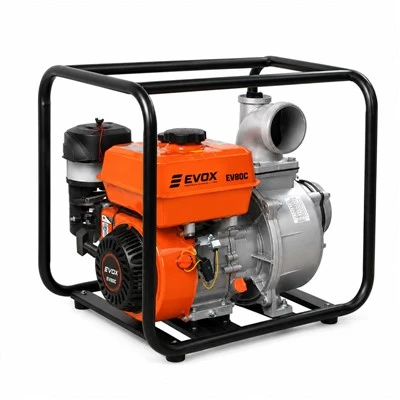
As a gasoline water pump supplier, I’ve seen firsthand the benefits and drawbacks of using these pumps in different situations. I’m here to help you make the right choice for your needs. If you’re interested in purchasing a gasoline water pump, or if you have any questions about using them in a marine environment, don’t hesitate to reach out. We can have a chat about what type of pump would work best for you and how to keep it in good condition. Let’s work together to find the perfect solution for your water – pumping needs in the marine environment!
Diesel Open Frame Generator References
- "Marine Engineering Handbook"
- Various industry reports on water pump performance in marine settings
Evoxpower Technology
Evoxpower Technology is one of the most professional gasoline water pump manufacturers and suppliers in China, featured by quality products and good service. Please rest assured to buy the newest gasoline water pump in stock here and get pricelist from our factory. Contact us for customized service and OEM service.
Address: 11 Fortune Avenue, Yubei District, Chongqing, China
E-mail: stephen@allrightpower.com
WebSite: https://www.evoxpower.com/
