Hey guys, let’s talk about something we all take for granted when we pick up a bag of fresh coffee: that little paper or pouch sitting on your shelf, and how long it’s actually gonna keep your beans tasting like they just came from the roaster. As a coffee bag supplier, I get asked this all the time—do these bags just hold coffee, or do they matter for how long that coffee stays good? Spoiler: they matter way more than you think. Coffee Bag

First off, let’s break down what “lifespan of a coffee bag” even means. It’s not just how long the bag itself doesn’t tear or hold its shape. It’s how long the bag protects the coffee inside from going bad. Let’s be real—bad coffee is just sad coffee, and that’s the last thing any roaster, cafe, or home brewer wants.
Coffee goes stale from four main things: oxygen, moisture, light, and heat. Think of those as the four villains here. The bag’s whole job is to block those villains from crashing the party. Let’s start with the basics: the cheap plastic bags you might’ve seen in grocery stores for mass-produced coffee? Those are basically paper thin, no lining, no nothing. They’ll let oxygen seep in within a week, moisture too if you leave ‘em on a humid counter. Your coffee’ll go from nutty and bright to cardboard-y and flat faster than you can say “pour over.” That’s why you don’t see those in specialty roasters’ shops anymore, right?
Now, for the good stuff—we’re talking about the bags we make as a supplier. Most of these are multi-layered, right? Like, a base layer of food-safe plastic to keep moisture out, a middle layer of aluminum (sometimes called a barrier layer) that blocks light and oxygen, and an outer layer of paper or compostable material so it looks nice on shelves. How does that affect the lifespan? Let’s do the math here. A high-quality barrier bag—think the ones with a one-way degassing valve (super important, by the way—coffee releases carbon dioxide for weeks after roasting, and you don’t want the bag to burst like a mini balloon). That combo can keep coffee fresh for 2 to 4 weeks if it’s unopened, stored in a cool, dark place. Once you open it? You gotta switch to a smaller airtight container for the rest, or use a resealable bag (ours come with easy zippers, perfect for that) to lock in freshness.
Wait, let’s not sleep on the environmental angle here, either. A lot of people ask about compostable coffee bags now, and that changes the game a little. Compostable materials have come a long way in the last 5 years, but their barrier properties aren’t quite as good as aluminum yet. A compostable multi-layer bag might keep coffee fresh for 1 to 3 weeks unopened, which is still way better than that basic plastic bag. And they break down in industrial compost facilities, which is a win for folks who care about their carbon footprint. As a supplier, we test all our compostable bags rigorously—we don’t cut corners, because if the barrier fails, the coffee goes bad, and that’s a bad look for everyone.
What about how the bag is made, beyond the material? Seal quality is huge. If a bag’s heat seal is wonky, there’s a tiny gap where oxygen can sneak in. We use industrial heat sealers that test every seal before the bag leaves our facility—no defects going out. That’s a big part of why our customers (roasters, mostly) trust us for consistent shelf life. A roaster’s whole brand is tied to their coffee’s freshness, so if their bags don’t keep it good, they’ll lose customers fast.
Let’s get specific for different use cases. If you’re a small batch roaster selling 12oz bags to local cafes? Our standard barrier bags with a degassing valve are perfect—they keep coffee fresh for 3 weeks unopened, which is exactly how fast cafes should sell through specialty beans. If you’re a larger roaster selling 2lb bags for grocery stores (wait, no—grocery store coffee is usually mass produced, but if you’re doing specialty bulk)? We can customize the thickness and barrier to extend that to 6 weeks, but only if storage is consistent. Oh, and storage matters for the coffee too—even the best bag won’t save coffee if you leave it on a sunny windowsill next to a radiator. That’ll turn the coffee bad in days, no matter what.
I should also mention something a lot of people don’t talk about: the difference between whole bean and ground coffee. Ground coffee has way more surface area, so it goes stale faster. So a bag that keeps whole bean fresh for 3 weeks might only keep ground fresh for 1 to 2 weeks. That’s why we suggest to our customers—roasters—label their bags clearly if they’re selling ground, so buyers don’t hold onto it for too long. As a supplier, we work with roasters to adjust the bag specs based on whether it’s whole or ground, because that’s part of the total freshness equation.
Now, let’s debunk a myth: some folks say the bag itself degrades over time, like, the material breaks down and stops protecting the coffee. For the standard multi-layer barrier bags (the ones with aluminum), that’s not a thing for at least a year—if stored properly (cool, dark), the bag will keep its barrier properties for way longer than the coffee stays good. Coffee doesn’t stay fresh forever, even in the best bag. After 6 months, even unopened, the flavor is gonna fade a lot, because the oils in the coffee go rancid over time. So the bag’s lifespan as a protector is way longer than the coffee’s ideal drinking window. For compostable bags, yeah, they’ll start to break down after a year if left in a hot, humid place, but that’s not a problem for the coffee’s freshness timeline.
Wait, let’s circle back to why this matters to you, whether you’re a roaster looking to package your coffee, or a cafe stocking up, or even a home brewer who’s curious. If you’re a roaster, picking the right bag isn’t just about how it looks on your website or shelf—it’s about keeping your coffee tasting the way it’s supposed to, which keeps customers coming back. If your coffee goes stale too fast, people won’t buy from you again. As a coffee bag supplier, we don’t just sell you a bag—we help you figure out the right one for your beans, your sales timeline, and your sustainability goals.
So, how do you know if your current bags are working? Do a test: leave a bag of your freshly roasted coffee on a shelf for 2 weeks, open it, smell it. If it smells like fresh, fruity coffee, that’s good. If it smells flat or like cardboard, your barrier is failing, and you need a different bag. That’s a test we run all the time in our lab, by the way—we check oxygen levels inside the bag after different time periods, to make sure we’re hitting those freshness marks.
Let me wrap this up. The lifespan of a coffee bag isn’t a one-size-fits-all number. It depends on the material, the seal, the valve, and even how you store it. For standard barrier bags, it’s 2-4 weeks of peak freshness unopened, up to 6 weeks for thicker multi-layer ones. Compostable bags are a little shorter, 1-3 weeks, but getting better every year. The bag itself will last way longer than the coffee’s ideal drinking window if stored right, so the main job is protecting those beans from the four villains: oxygen, moisture, light, heat.
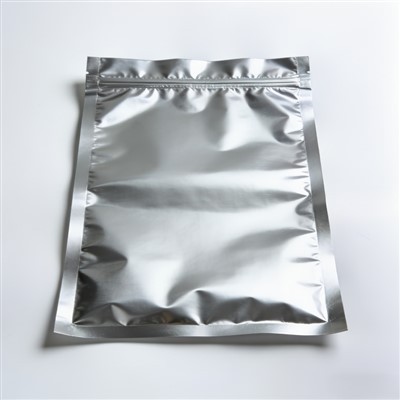
If you’re a roaster, cafe, or brand looking to upgrade your coffee packaging, or just want to chat about what bags work best for your needs, hit me up. I’m here to help make sure your coffee stays fresh, your customers stay happy, and your packaging does its job.
Coffee Bag References:
- International Coffee Organization. (2022). Coffee Shelf Life and Packaging. ICO Technical Briefing.
- Specialty Coffee Association. (2021). Best Practices for Coffee Packaging and Freshness. SCA Education Paper.
- European Bioplastics. (2023). Compostable Packaging for Food Products: Barrier Performance and Shelf Life. EUBP Research Report.
Shenzhen Hongbang Packaging Production Co., Ltd.
We are one of the most experienced coffee bag manufacturers and suppliers in China, specialized in providing high quality custom service. Please feel free to buy bulk coffee bag made in China here from our factory. For quotation and free sample, contact us now.
Address: Room 601, BLDG D, Wisdom Centre, No. 58 Nanlian Road, Longgang, Shenzhen China 518116
E-mail: pm@hongbangpack.com
WebSite: https://www.hongbangpack.com/
