Hey everyone, let’s cut to the chase—if you’re deep in a DIY project right now, you’ve probably stared at that random plastic hand strap you have lying around (or maybe even a stack of them from my supply warehouse, wink) and thought, “Wait, can this actually work for what I’m building?” Spoiler: the answer is almost always YES—if you’re using it right. As someone who’s been selling plastic hand straps for years, I’ve seen them go from holding up custom tote bags to stabilizing tiny wooden birdhouses, and even reinforcing DIY laptop stands. Let’s break this down, no boring jargon, just real talk about how these little straps are way more versatile than most people think. Plastic Hand Strap
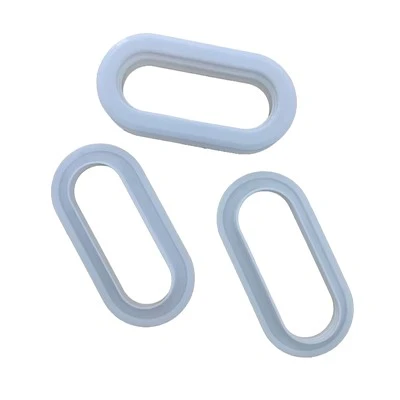
First, let’s get one thing straight: plastic hand straps aren’t just the flimsy cheap ones you get on grocery store produce bags. The ones I supply are heavy-duty, made from polypropylene (that’s the stuff that’s tough, won’t stretch out like rubber, and resists sun/water so it doesn’t crumble in the garage or backyard). That’s the key here—their material is what makes them work for DIY, not just holding a bag of oranges. But before you grab that strap and start hacking, let’s talk about the kind of projects they actually shine for, and the ones you might want to skip.
Let’s start with the no-brainer wins: projects where you need consistent, light-to-medium tension that won’t shift over time. For example, if you’re building a custom hanging planter—those plastic straps are perfect. Cut them to length, thread through the holes in a wooden or terracotta planter, and they hold the shape evenly, no slipping. I once had a customer reach out last month saying he used my straps to build a temporary trellis for his tomato plants—drilled small holes in his fence posts, tied the straps horizontally, and wove twine through them. The polypropylene material doesn’t rot like rope, so he’ll get a whole growing season out of it without replacing anything. That’s a win for the DIYer who doesn’t want to redo projects every few months.
Another big one: securing and organizing. If you’re building a modular shelf unit out of cinder blocks and wooden planks, those plastic hand straps can be used to tie the whole frame together. Unlike twine, which can fray, or regular rope that might leave marks on wood, my plastic straps are smooth. You can also use them to make custom cable organizers for your desk—cut a strap to size, punch small holes, and thread through cables to keep them neat. Way cheaper than buying fancy pre-made organizers, and way more durable than using old hair ties that snap in three months.
But wait, hold up—there are limits, and I don’t want you to waste your time or my straps on projects they’re not built for. First, anything that needs extreme tension or heavy weight. If you’re building a DIY porch swing that’ll hold 200+ pounds, plastic hand straps aren’t your move—they’ll stretch out over time, and even heavy-duty polypropylene isn’t meant for that kind of constant heavy load. Rope or metal hardware is way better there. Second, projects that require super high heat. If you’re building a custom outdoor fire pit surround, don’t use my plastic straps—they’ll melt as soon as you throw a log in the fire. That’s a safety hazard, and it’s just not what these straps are designed for. And third, anything that needs to flex a lot. If you’re making a DIY pet toy that your dog will tug on nonstop, plastic straps are too rigid—they’ll break way faster than a soft, flexible strap would. Got it? Stick to the light-to-medium tension, low-heat, non-flex projects and you’re golden.
Now, let’s talk about the actual DIY process, because I’ve seen so many people mess this up. First, prep your strap properly. If you’re cutting it to length, use a sharp pair of scissors or a utility knife—don’t just yank it, because that can fray the edge. Once you cut it, if you want to prevent fraying (especially if you’re leaving the straps exposed), you can either melt the end lightly with a lighter (just a second—don’t burn the whole thing!) or add a small dot of super glue. Super easy, no fancy tools needed.
Next, how to attach the strap to whatever you’re building. Most of the time, you don’t even need hardware—just punch small holes with a hole punch or a drill (depending on how thick your material is) and thread the strap through, then knot it tightly. For extra security, you can double-knot it, or even add a tiny dab of hot glue to the knot so it doesn’t come undone. I’ve had customers tell me this is way easier than trying to use metal screws or bolts for small DIY projects—less drilling, less risk of splitting wood, and just as secure for light-to-medium use.
Wait, let’s throw in a real example that I actually helped a friend with last month, because that’s how I learned how versatile these things are. My friend was building a custom book nook for his kid—little shelves, a tiny roof, all made from pine wood. He wanted to hang a small curtain over the entrance, and didn’t want to use those cheap plastic curtain rings that break all the time. So he grabbed 4 of my medium-duty plastic hand straps, cut them to the right length, punched holes in the wooden frame and the curtain rod, threaded the straps through, and tied knots. It’s been a month, no fraying, no slipping, and the kid yanks the curtain open and closed every day. Total win, and he spent like $2 on the straps instead of $15 on curtain hardware. That’s the kind of DIY win I love seeing.
Now, let’s address a question I get all the time: “Will using a plastic hand strap for my DIY project damage my materials?” The short answer is no—if you size it right. Because these straps are smooth and have a consistent width, they don’t leave scuff marks on wood, paint, or fabric like rough rope or wire can. If you’re using them on softer materials (like a canvas tote bag), just make sure you don’t pull the knot too tight, because it can leave a small indent, but that’s easy to fix if you loosen it a bit. If you’re using them on hard materials (like cinder blocks or wood), they grip just enough without scratching, which is perfect for DIYers who don’t want to mess up their build.
Another thing I’ve noticed: a lot of DIYers overlook small details that make the project easier, and plastic hand straps are great for that. For example, if you’re building a set of folding chairs for your backyard, you can use the straps to tie the legs together when you fold them, so you don’t have to hunt around for the matching leg every time. Or if you’re making a DIY camping gear organizer, use the straps to hold tent poles, sleeping bags, and flashlights in place so everything stays organized in your car. Way more portable than a big heavy storage box, and way cheaper than buying pre-made camping organizers.
Let’s circle back to the “can I actually use this” question. The bottom line is: if your DIY project needs a secure, durable, low-cost way to bind, hang, or organize light-to-medium weight materials, and it’s not exposed to extreme heat or constant heavy tension, YES—plastic hand straps are perfect for it. And since I supply these straps in bulk for all kinds of DIY needs, you don’t have to hunt for them at a random grocery store or pay premium prices for specialty hardware.
Now, if you’re ready to grab the right straps for your project, don’t overthink it. If you’re working on small indoor projects (tote bags, desk organizers, small shelves), go for the light-duty ones. If you’re doing outdoor projects, backyard trellises, temporary fencing, or shelf units, go for the heavy-duty polypropylene ones—they’re built to hold up to sun, rain, and even a little snow. And if you have a weird, custom project that you’re not sure about, just reach out to me. I’ve helped hundreds of DIYers pick the right strap for their project, and I can point you in the right direction to make your build work.
Before I wrap this up, let’s make sure I cover the big “don’t do this” mistakes I’ve seen people make: 1. Don’t use plastic hand straps for heavy weight load-bearing structures (like porch swings, load-bearing beams). 2. Don’t use them near open flames or high heat (fire pits, wood stoves). 3. Don’t use them for projects that require constant stretching or tugging (like heavy dog toys). Stick to those rules, and you’ll have a great DIY result.
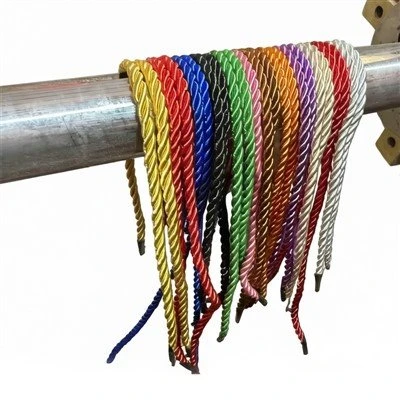
If you’re currently working on a DIY project and need reliable, affordable plastic hand straps to make it happen, feel free to reach out. We can talk about your project size, how many straps you need, and get you the right product at a price that won’t eat into your DIY budget. No hassle, just straight talk about what works and what doesn’t.
Paper Bag Handle Ropes References
- ASTM International. (2021). Standard Specification for Polypropylene Strapping. ASTM D3950-21.
- DIY Project Guide. (2023). Common Materials for DIY Binding and Securing. DIY Network.
- Plastic Industry Association. (2022). Polypropylene Applications for Reusable, Durable Products. PlasticsToday.
Tengzhou Fujin Plastic Products Co., Ltd.
As one of the most professional plastic hand strap manufacturers and suppliers in China, we also support customized service. With abundant experience, we warmly welcome you to buy bulk plastic hand strap made in China here and get pricelist from our factory. For price consultation, contact us.
Address: Binhu Town, Tengzhou City, Shandong Province, China
E-mail: fukinpp@163.com
WebSite: https://www.tzfujin.com/
