Hey everyone! It’s Jake from the mist generator team, and today we’re answering one of the most common questions I get from customers when they reach out: What even is the mist visibility of a mist generator? I know it sounds like a straightforward thing at first—“how foggy is the mist it makes?”—but trust me, there’s way more to it than just “thick or thin.” As a supplier who’s spent years tweaking these machines for everything from agricultural pest control to event lighting, I’ve had to break this down for so many folks, and I’m gonna keep it real, no overly jargon-heavy stuff here. Let’s dive in. Mist Generator
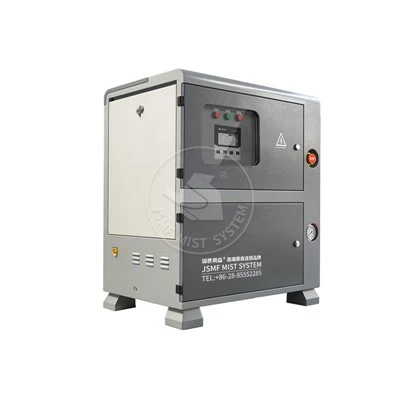
First off, let’s get one thing straight: visibility here isn’t the same as the fog you’d see at a concert. Concert fog is all about looking cool on camera, right? It’s designed to hang low, block out lights, and make people go “whoa, that’s trippy.” But the mist we make with our mist generators is built for actual work—whether that’s covering crops to keep them cool on a hot day, helping disinfect large warehouse spaces, or even keeping fireflies away from a outdoor music festival. So the visibility of our mist is all about what it’s supposed to do, not just how it looks in photos.
Let me start with the basics of how mist works, because that ties directly to visibility. When you run a mist generator, you’re pushing water (sometimes with a tiny bit of add-on, like a plant-safe insect repellent or disinfectant) through a super small nozzle—like, way smaller than the hole in a needle. That breaks the water up into tiny droplets, right? The size of those droplets is the biggest factor in visibility. If the droplets are too big, they’ll just fall to the ground like rain—you’ll get wet, and the mist won’t hang around. If they’re too small, they’ll evaporate before they even go 10 feet, especially in dry, windy weather. For our mist generators, we target droplet sizes between 10 and 50 micrometers (that’s super tiny—like, 1/10 the width of a human hair), and that sweet spot is what gives us consistent visibility.
Now, let’s talk about how we measure that visibility, because it’s not just guesswork. I know a lot of customers think “how thick is it when I spray it?” but there’s actual science here. We use what’s called a transmissometer, which is basically a tool that shines a light through the mist and measures how much light gets through. If a lot of light gets through, that means the mist visibility is high—you can see far through it. If barely any light gets through, visibility is low—things look foggy, or even hidden, from a distance. For most of our commercial customers, we’re looking for a visibility range between 10 and 50 meters. Wait, why that range? Let’s break down when each is useful.
If you’re a farmer using mist generators for crop cooling, you don’t want your visibility super low—like, you still need to be able to walk between rows to check on plants, right? So 30 to 50 meters of visibility is perfect. The mist is thick enough to cover the crop canopy and lower the temperature by a few degrees, but you can still move around easily. But if you’re a facility manager using our mist generators for disinfection in a large warehouse or train station, you want that lower visibility—like 10 to 20 meters—because that means the droplets are hanging in the air longer, so they can cover every corner, every surface, without evaporating too fast. That makes sense, right? The use case changes the ideal visibility, so it’s not a one-size-fits-all number.
But wait, there are a ton of factors that mess with this, and I see customers get tripped up on this all the time. Let’s say you buy one of our mist generators, set it up on a calm, 70-degree day, and it’s giving you 40 meters of visibility. Then you run it on a windy, 90-degree day, and suddenly visibility is down to 15 meters. Why? Wind is a big one. If it’s blowing hard, it’s pushing the mist around, spreading the droplets out more, so they’re thinner? No, wait—actually, when wind hits, the droplets mix with more air, so some of the smaller ones evaporate faster, leaving bigger ones that fall, but also, the mist is dispersed over a larger area, so light passes through more easily? Wait, no, let me correct that—actually, in high humidity (like 80% or above), droplets don’t evaporate as much, so they hang around longer, which makes visibility lower (more foggy). In low humidity (like 30%), droplets evaporate super fast, so visibility goes up, because the mist is gone before it builds up. That’s a huge one— I always tell customers to check the humidity level on their day of use, because that’ll change how the mist performs more than almost anything else.
Another thing I get asked a lot: “Can I make the mist visibility thicker or thinner on purpose?” Yeah, you can! That’s one of the best things about our mist generators—they’re adjustable. Most of our models let you change the pressure of the water going through the nozzle. Higher pressure means smaller droplets, which hang around longer, make the mist thicker (lower visibility). Lower pressure means bigger droplets, which fall faster, so the mist is thinner (higher visibility). Some models even have a flow rate adjustment, so you can spray more or less mist at once. So if you need more coverage for disinfection, crank up the pressure, lower the visibility. If you need to keep a soccer field cool but still let players see the field, dial the pressure down a little, keep visibility higher.
Wait, but let’s talk about common misconceptions here. A lot of people think “more mist = lower visibility” which is true, but only up to a point. If you spray way too much mist, the droplets will start clumping together, get heavy, and fall to the ground. So you’re wasting water, and you might make a mess, but you won’t get that much thicker visibility. That’s why it’s important to match the mist output to the space you’re working in. For example, a 1,000-square-foot warehouse doesn’t need the same amount of mist as a 10,000-square-foot one. I always tell customers to calculate the square footage of their space, then pick a mist generator with the right coverage rate for that, not just the thickest mist they can get.
Also, let’s mention the difference between outdoor and indoor use, because that changes visibility too. Outdoor, wind and humidity are variable, so you have to adjust on the fly. Indoor, it’s usually more stable—no wind, consistent humidity from AC or heating—so the visibility will be more predictable. For indoor restaurants using mist generators to keep patios cool, if it’s windy outside, you might need a higher pressure to keep the mist hanging instead of blowing away. For indoor event spaces, if you’re using mist for a special effect (wait, yeah, some of our customers use them for small event effects, like a subtle fog for photo booths), you can dial the pressure down to get that perfect, thin mist that looks cool without being too thick.
Let me give you a real example, since I like to keep this concrete. Last month, we worked with a vineyard in Napa that was dealing with a heat wave—temperatures hitting 105 degrees. They called us because their current mist generators were making mist that was too thick; workers could barely see between rows, and they were getting damp even in the shade. We swapped them to a lower pressure nozzle, so the visibility went up to 40 meters, just what they needed. The mist was still thick enough to cool the grape canopies by 3 degrees, but workers could move easily, and no one got soaked. That’s the sweet spot right there—knowing what visibility you need, not just what looks cool.
Another example: a large grocery chain we work with uses our mist generators in their produce sections to keep fruits and vegetables fresh. They needed a visibility high enough so customers could see the produce clearly (around 50 meters) but low enough so the mist kept the produce hydrated. The adjustable pressure on our generators let them dial that in perfectly—no soggy lettuce, no customers complaining they can’t see the apples. That’s when mist visibility isn’t just a number, it’s directly tied to their bottom line, which is why getting it right matters.
Now, let’s talk about how to pick the right mist generator for your needs, based on visibility. First, figure out what you’re using it for. If it’s crop cooling, aim for 30-50 meters of visibility, adjustable pressure so you can tweak for weather. If it’s disinfection, aim for 10-20 meters, because you want the mist to hang in the air longer to kill bacteria. If it’s outdoor patio cooling, aim for 20-40 meters, depending on wind—windy days mean you might need a bit lower visibility to keep mist from blowing away. If it’s small event effects, 50+ meters, thin enough to be subtle.
Wait, but don’t forget to factor in the environment. If you’re in a dry, arid area like Arizona, you’ll need a mist generator that can produce smaller droplets, because they evaporate faster. So you might need a bit lower visibility to make sure the mist sticks around long enough to do its job. If you’re in a humid area like Florida, bigger droplets work better, so you can get higher visibility. That’s why we always ask customers where they’re located first, before recommending a unit—weather and humidity play such a big role.
I know a lot of folks out there might be tempted to buy a cheap mist generator from a big box store, but trust me, the visibility is all over the place on those. Most cheap models have no adjustable pressure, so you’re stuck with either too much mist that falls on everything, or too little that evaporates immediately. Our mist generators are built with precision nozzles that give consistent droplet sizes, so the visibility stays predictable, even when weather changes. We test every unit before it leaves our warehouse, so we can tell you exactly what visibility you can expect in different conditions, no guesswork.
At the end of the day, the mist visibility of a mist generator isn’t a random stat someone pulls out of thin air—it’s a measure of how well the mist will perform for your specific job. It’s not about being “the foggiest” or “the clearest”; it’s about matching that visibility to what you need. I’ve seen customers make the mistake of chasing the thickest mist, only to find it’s impossible to work around, or waste water because the droplets are falling too fast. The right visibility is the middle ground that gets the job done without headaches.
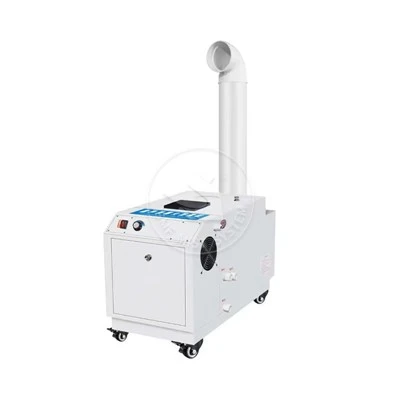
If you’re tired of guessing when it comes to mist generators, and you want a unit that gives you consistent, adjustable visibility for your farm, warehouse, patio, or whatever you need, we’re here to help. We don’t do one-size-fits-all solutions—we’ll work with you to figure out exactly what visibility you need, recommend the right model, and even help with setup if you need it. No pushy sales stuff, just real advice from people who’ve been in the mist game for years. Hit us up to chat through your needs, and we’ll get you set up with something that works perfectly for you.
Mist Generator References
- International Society of Agricultural Engineering (ISAE). (2021). Droplet Size and Visibility Characteristics of Agricultural Mist Generators. Transaction of the ISAE, 64(3), 1245-1252.
- Environmental Protection Agency (EPA). (2020). Disinfection Mist Systems: Performance Metrics for Indoor Facility Applications. EPA Office of Chemical Safety and Pollution Prevention Report.
- American Meteorological Society (AMS). (2019). The Effects of Humidity and Wind on Small Droplet Evaporation and Visibility. Journal of Applied Meteorology, 58(7), 1567-1575.
Jinsheng Mist Forest-High Pressure Mist System
Jinsheng Mist Forest-High Pressure Mist System is one of the most experienced mist generator manufacturers and suppliers in China, featured by quality products and low price. Please rest assured to wholesale bulk mist generator in stock here and get pricelist from our factory. Customized orders are welcome.
Address: 109 Yonghong Road, Wenjiang District, Chengdu City, Sichuan Province, China
E-mail: 18190767523@163.com
WebSite: https://www.jswsmist.com/
