In the modern digital age, electromagnetic interference (EMI) has become a significant concern across various industries. EMI can disrupt the normal operation of electronic devices, leading to malfunctions and reduced performance. As a trusted supplier of hardware products, we understand the impact of EMI on your equipment and operations. In this blog post, we will explore the hardware products available that can effectively reduce electromagnetic interference and provide solutions for a stable and efficient electronic environment. Hardware Products

Understanding Electromagnetic Interference
Before diving into the hardware solutions, it’s essential to understand what electromagnetic interference is. EMI is the disturbance that affects an electrical circuit due to either electromagnetic induction or electromagnetic radiation emitted from an external source. This interference can come from a variety of sources, including power lines, radio frequency transmitters, and even other electronic devices in close proximity.
The effects of EMI can range from minor disruptions, such as static on a radio or interference on a TV screen, to more severe issues like data corruption in a computer system or a malfunction in a critical medical device. As technology becomes more advanced and interconnected, the need to manage and reduce EMI has become increasingly important.
Hardware Products for Reducing Electromagnetic Interference
Shielded Cables
One of the most common and effective ways to reduce EMI is by using shielded cables. These cables are designed with an extra layer of conductive material, typically aluminum or copper, that surrounds the inner conductors. The shield acts as a barrier, preventing electromagnetic waves from entering or leaving the cable.
Shielded cables are widely used in applications where EMI is a concern, such as in industrial automation, telecommunications, and data centers. They come in various types, including coaxial cables, twisted pair cables, and fiber optic cables. Each type has its own advantages and is suitable for different applications.
- Coaxial Cables: Coaxial cables are commonly used for high-frequency applications, such as cable TV and internet connections. They have a central conductor surrounded by an insulating layer, a metallic shield, and an outer jacket. The shield provides excellent protection against EMI, making coaxial cables a reliable choice for transmitting high-quality signals.
- Twisted Pair Cables: Twisted pair cables are used in Ethernet networks and telephone systems. They consist of two insulated copper wires twisted together to reduce electromagnetic interference. The twisting of the wires helps to cancel out the electromagnetic fields generated by the current flowing through the wires, minimizing EMI.
- Fiber Optic Cables: Fiber optic cables use light to transmit data, making them immune to electromagnetic interference. They are ideal for applications where high-speed data transmission and immunity to EMI are required, such as in long-distance communication networks and data centers.
EMI Filters
EMI filters are another essential hardware product for reducing electromagnetic interference. These filters are designed to suppress unwanted electromagnetic signals while allowing the desired signals to pass through. They are typically used in power supplies, electronic devices, and electrical systems to prevent EMI from entering or leaving the equipment.
EMI filters work by using a combination of inductors, capacitors, and resistors to block or attenuate the unwanted frequencies. They are available in various types, including single-phase filters, three-phase filters, and high-frequency filters. Each type is designed to meet the specific requirements of different applications.
- Single-Phase Filters: Single-phase filters are used in applications where the power supply is single-phase, such as in residential and small commercial buildings. They are designed to reduce EMI in the power line and protect the connected equipment from electrical noise.
- Three-Phase Filters: Three-phase filters are used in applications where the power supply is three-phase, such as in industrial and commercial buildings. They are designed to reduce EMI in the three-phase power line and provide a clean and stable power supply to the connected equipment.
- High-Frequency Filters: High-frequency filters are used in applications where high-frequency EMI is a concern, such as in radio frequency (RF) communication systems and microwave applications. They are designed to block or attenuate the unwanted high-frequency signals while allowing the desired signals to pass through.
Ferrites
Ferrites are magnetic materials that can be used to suppress electromagnetic interference. They are often used in the form of beads or cores and are placed around cables or electronic components to reduce EMI. Ferrites work by absorbing the electromagnetic energy and converting it into heat, thereby reducing the level of interference.
Ferrites are available in various types, including nickel-zinc (NiZn) ferrites and manganese-zinc (MnZn) ferrites. Each type has its own characteristics and is suitable for different applications.
- Nickel-Zinc (NiZn) Ferrites: NiZn ferrites are used in high-frequency applications, such as in RF communication systems and microwave devices. They have a high resistivity and a low permeability, which makes them effective in suppressing high-frequency EMI.
- Manganese-Zinc (MnZn) Ferrites: MnZn ferrites are used in low-frequency applications, such as in power supplies and audio equipment. They have a low resistivity and a high permeability, which makes them effective in suppressing low-frequency EMI.
Conductive Enclosures
Conductive enclosures are used to shield electronic devices from electromagnetic interference. These enclosures are made of conductive materials, such as aluminum or steel, and are designed to surround the electronic components and prevent electromagnetic waves from entering or leaving the enclosure.
Conductive enclosures are commonly used in applications where EMI is a concern, such as in military and aerospace systems, telecommunications equipment, and medical devices. They are available in various types, including standard enclosures, custom enclosures, and modular enclosures. Each type has its own advantages and is suitable for different applications.
- Standard Enclosures: Standard enclosures are pre-designed and available in a variety of sizes and shapes. They are a cost-effective solution for shielding electronic devices from EMI and are suitable for applications where the requirements are not very specific.
- Custom Enclosures: Custom enclosures are designed and manufactured to meet the specific requirements of the customer. They can be made in any size, shape, and material, and can be customized with features such as ventilation holes, access panels, and mounting brackets. Custom enclosures are suitable for applications where the requirements are very specific and where a high level of shielding performance is required.
- Modular Enclosures: Modular enclosures are made up of pre-fabricated modules that can be easily assembled and disassembled. They are a flexible solution for shielding electronic devices from EMI and are suitable for applications where the requirements may change over time.
Benefits of Using Hardware Products to Reduce Electromagnetic Interference
Using hardware products to reduce electromagnetic interference offers several benefits, including:
- Improved Equipment Performance: By reducing EMI, hardware products can help to improve the performance and reliability of electronic devices. This can lead to fewer malfunctions, reduced downtime, and increased productivity.
- Compliance with Regulations: Many industries have regulations and standards that require electronic devices to meet certain EMI limits. Using hardware products to reduce EMI can help to ensure compliance with these regulations and avoid costly fines and penalties.
- Enhanced Safety: EMI can pose a safety risk in some applications, such as in medical devices and aerospace systems. By reducing EMI, hardware products can help to enhance the safety of these applications and protect the users from potential hazards.
- Cost Savings: By reducing the level of EMI, hardware products can help to extend the lifespan of electronic devices and reduce the need for costly repairs and replacements. This can result in significant cost savings over the long term.
Conclusion
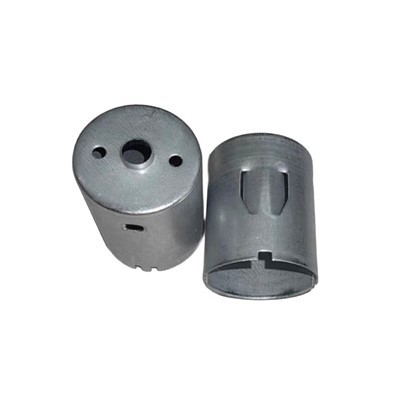
In conclusion, electromagnetic interference is a significant concern in the modern digital age, and it can have a negative impact on the performance and reliability of electronic devices. As a hardware products supplier, we offer a wide range of solutions for reducing EMI, including shielded cables, EMI filters, ferrites, and conductive enclosures. These products can help to improve the performance and reliability of your electronic devices, ensure compliance with regulations, enhance safety, and save you money in the long run.
Aluminum Die Castings If you are looking for hardware products to reduce electromagnetic interference, we encourage you to contact us to discuss your specific requirements. Our team of experts can provide you with personalized recommendations and solutions to meet your needs. We look forward to working with you to create a stable and efficient electronic environment for your business.
References
- Electromagnetic Compatibility Engineering by Henry W. Ott
- The Art of Electronics by Paul Horowitz and Winfield Hill
- Handbook of Electromagnetic Compatibility by Clayton R. Paul
Yuyao Aozhou Metal Products Co., Ltd.
We are one of the most experienced hardware products manufacturers and suppliers in China. With a professional production team, we are able to meet the needs of the majority of our customers. Please rest assured to buy customized hardware products made in China here from our factory.
Address: No.6, Nanbailonggang, Wuma Industrial Zone, Lubu Town, Yuyao City
E-mail: xqr-2316@163.com
WebSite: https://www.cnaozhou.com/
