What is the adhesion strength of a waterproof membrane?
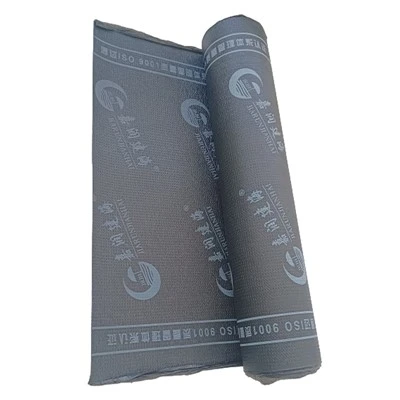
As a supplier of waterproof membranes, I’ve witnessed firsthand the critical role that adhesion strength plays in the performance and longevity of these essential building materials. Adhesion strength refers to the ability of a waterproof membrane to bond securely to the substrate surface, whether it’s concrete, asphalt, wood, or other materials commonly found in construction projects. In this blog post, I’ll delve into the significance of adhesion strength, the factors that influence it, and how it impacts the overall effectiveness of waterproofing systems. Waterproof Membrane
The Significance of Adhesion Strength
A strong bond between the waterproof membrane and the substrate is crucial for several reasons. Firstly, it prevents water from seeping beneath the membrane and causing damage to the underlying structure. When water penetrates the substrate, it can lead to issues such as mold growth, corrosion of metal components, and deterioration of the building materials. This not only compromises the structural integrity of the building but also poses health risks to the occupants.
Secondly, adhesion strength ensures the durability of the waterproofing system. A well – adhered membrane is less likely to peel, blister, or detach due to environmental factors such as temperature changes, wind uplift, and foot traffic. This means that the waterproofing solution will maintain its effectiveness over a longer period, reducing the need for costly repairs and replacements.
Finally, proper adhesion is essential for the performance of the entire waterproofing assembly. In multi – layer waterproofing systems, the adhesion between the different layers must be strong to create a continuous and seamless barrier against water. A weak bond at any point in the system can lead to water intrusion and failure of the waterproofing.
Factors Influencing Adhesion Strength
Several factors can affect the adhesion strength of a waterproof membrane. Understanding these factors is crucial for ensuring that the membrane adheres properly to the substrate.
Substrate Condition
The condition of the substrate is one of the most important factors. A clean, dry, and smooth substrate provides the best surface for the membrane to adhere to. Any contaminants such as dust, oil, grease, or loose particles can reduce the adhesion strength. For example, if a concrete substrate has a high alkalinity level, it may need to be treated with a suitable primer to improve the bond between the membrane and the concrete.
Surface Texture
The texture of the substrate also plays a role. A rough surface can provide more surface area for the membrane to bond to, increasing the adhesion strength. However, an excessively rough surface may trap air pockets during the installation process, which can also weaken the bond. Therefore, the substrate should have an appropriate surface texture that is neither too smooth nor too rough.
Temperature and Humidity
Temperature and humidity during installation can have a significant impact on adhesion strength. Most waterproof membranes have an optimal temperature range for installation. If the temperature is too low, the membrane may not adhere properly, and if it is too high, the adhesive may dry too quickly, resulting in a weak bond. Similarly, high humidity can also affect the curing process of the adhesive, reducing the adhesion strength.
Membrane and Adhesive Compatibility
The compatibility between the waterproof membrane and the adhesive used is crucial. Different membranes require different types of adhesives to achieve optimal adhesion. Using an incompatible adhesive can lead to poor bonding and premature failure of the waterproofing system.
Measuring Adhesion Strength
There are several methods for measuring the adhesion strength of a waterproof membrane. One common method is the peel test, where a strip of the membrane is peeled from the substrate at a specific angle and speed, and the force required to peel the membrane is measured. Another method is the shear test, which measures the force required to slide the membrane along the substrate surface. These tests are typically conducted in a laboratory setting using standardized procedures to ensure accurate and comparable results.
In the field, visual inspections and simple adhesion tests can also be performed. For example, a coin or a small tool can be used to gently pry at the edge of the membrane to check for any signs of delamination. If the membrane comes off easily or shows signs of separation, it may indicate a problem with the adhesion strength.
Impact of Adhesion Strength on Waterproofing Performance
The adhesion strength of a waterproof membrane directly impacts its waterproofing performance. A membrane with high adhesion strength provides a reliable and long – lasting waterproof barrier. It can withstand the hydrostatic pressure of water, preventing it from penetrating the substrate. In addition, a well – adhered membrane can resist the effects of expansion and contraction caused by temperature changes, which helps to maintain the integrity of the waterproofing system over time.
On the other hand, a membrane with low adhesion strength is more likely to fail. Water can easily penetrate the gaps between the membrane and the substrate, leading to leaks and water damage. This can result in costly repairs and disruptions to the building’s occupants.
Ensuring High Adhesion Strength in Our Products
As a waterproof membrane supplier, we take several steps to ensure that our products have high adhesion strength. Firstly, we conduct extensive research and development to formulate membranes and adhesives that are highly compatible and provide strong bonding. Our adhesives are designed to work effectively under a wide range of temperature and humidity conditions, ensuring reliable adhesion in different environments.
Secondly, we provide detailed installation instructions and training to our customers. We emphasize the importance of proper substrate preparation, including cleaning and priming, to ensure optimal adhesion. We also offer technical support to assist with any installation issues that may arise.
Finally, we subject our products to rigorous quality control testing. This includes both laboratory tests to measure adhesion strength and field tests to verify the performance of our membranes in real – world conditions. By ensuring that our products meet or exceed industry standards, we provide our customers with a waterproofing solution they can trust.
Conclusion
Adhesion strength is a fundamental property of waterproof membranes that has a significant impact on their performance and durability. A strong bond between the membrane and the substrate is essential for preventing water intrusion, protecting the building structure, and ensuring the long – term effectiveness of the waterproofing system. As a supplier, we are committed to providing high – quality waterproof membranes with excellent adhesion strength.
Waterproof Membrane If you’re in the market for a reliable waterproofing solution, we encourage you to contact us to discuss your specific needs. Our team of experts is ready to provide you with the best advice and products tailored to your project. We look forward to the opportunity to work with you and help you achieve a successful waterproofing result.
References
- ASTM International. (Year). Standard test methods for determining the adhesion of roof membranes to insulation or deck. ASTM D413 – XX.
- Building Research Establishment. (Year). Guide to waterproofing membranes. BRE Report No. XXX.
- International Code Council. (Year). International Building Code. ICC – XX.
Dingzhou Jiarun Jianhai Waterproof Materials Co., Ltd.
As one of the most professional waterproof membrane manufacturers and suppliers in China, we offer a wide range of products with superior quality. Please feel free to wholesale customized waterproof membrane made in China here from our factory. Also, pricelist is available.
Address: Shijiatuan, Mingyuedian Town, Dingzhou City, Baoding City, Hebei Province
E-mail: Jrjh16888@163.com
WebSite: https://www.jrjhwp.com/
