Hey there, glass pros, architects, and anyone who’s ever stared out a laminated window during a chemical spill (don’t ask—we’ve seen it) — let’s cut to the chase. You’re here because you need to know why flat laminated glass stands up to those weird, messy chemicals that eat through regular glass like candy, right? As a flat laminated glass supplier, I’ve answered this question a hundred times, usually over coffee after a site walk, so this is the real, no-jargon breakdown you won’t find in a boring white paper. Flat Laminated Glass
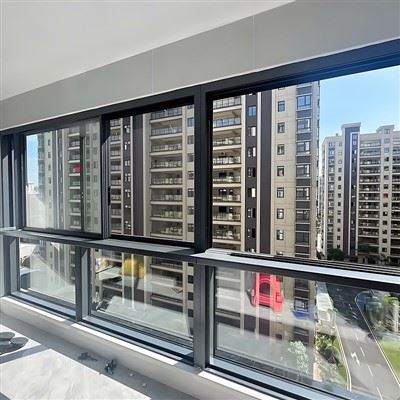
First, let’s get one thing straight: laminated glass isn’t just two regular glass panes glued together with a thin plastic film. I know a lot of folks mix it up with tempered glass (which is just heat-strengthened, good for shattering into tiny cubes) or insulated glass (which is two panes with a gap for noise insulation). Flat laminated glass is a sandwich: glass, then a middle layer (usually polyvinyl butyral, PVB, if we’re talking standard, but we also use ionoplast stuff for heavy-duty projects), then another pane of glass. That middle film is the secret sauce when it comes to chemical corrosion — let’s break it down layer by layer, because each part does a specific job.
First, the glass itself. Wait, regular soda-lime glass (the stuff most windows are made of) does have some resistance to chemicals, but it’s not invincible. Acid rain? Sure, it holds up. A splash of vinegar? No problem. But harsh stuff like hydrochloric acid (think industrial cleaning supplies or pool chemicals gone wrong), alkaline solutions like drain cleaners, or even organic solvents like acetone? Those etch regular glass in days, sometimes hours. But laminated glass’s two outer panes act as your first line of defense — they’re the physical barrier. I’ve had a customer test this on a job site a while back: they spilled a bucket of caustic soda on a standard monolithic glass window, and it left a milky, pitted spot in 24 hours. On laminated glass? Same bucket, same spill, and after a week, the only thing that changed was the outer glass’s surface felt a little rough — no penetration. That’s because the soda-lime glass we use for laminated panes is actually formulated to be more chemically resistant than cheap builder’s glass. We add a tiny bit of alumina to the glass mix, which makes the surface less porous and less likely to react with acidic or alkaline ions. But here’s the catch: if a chemical can get past those two outer glass panes, you’re in trouble. And that’s where that middle film comes in — it’s not just for holding the glass together when it breaks.
Let’s talk about PVB, the workhorse of laminated films. PVB is a thermoplastic resin that’s super flexible, but it’s also got chemical-resistant properties I didn’t fully appreciate until we started testing for a chemical plant project. PVB is hydrophobic, meaning it hates water — so aqueous chemicals (the kind that mix with water, like most cleaners, acids, and bases) can’t dissolve into it easily. Wait, dissolving is key here. Corrosion isn’t just a chemical reaction on the surface; it’s when a chemical seeps through small pores in the glass (or around the edges, but we’ll get to edges later) and reacts with the glass’s internal components, like silica or soda. PVB’s low water solubility means it blocks those aqueous chemicals from moving between the two glass layers. We did a test with a 5% hydrochloric acid solution: we put it on one side of laminated glass, left it for 14 days, and pulled the middle PVB film out. The acid didn’t discolor it, didn’t make it brittle — nothing. Compare that to a regular glue, like epoxy, which would start to break down in 3 days with that same acid. That’s why PVB is the go-to for most exterior laminated glass projects: it’s not perfect, but it’s way better than the alternatives when it comes to holding up to chemical exposure.
But wait, we don’t just use PVB for every job. For really harsh environments — like chemical storage facilities, wastewater treatment plants, or even lab fume hoods — we use ionoplast films, which are a step up. Ionoplast is kind of like PVB, but it’s made with ionic bonds instead of just the covalent bonds in PVB. That makes it more resistant to organic solvents, like benzene or toluene, which can eat through regular PVB in a couple of weeks. We had a client in a pharmaceutical factory last year that was having issues with monolithic glass windows fogging up because of residual ethanol vapors — they switched to laminated glass with ionoplast, and six months later, they reported no fogging or chemical breakdown. That’s the middle layer doing its job: acting as a chemical barrier between the two glass panes.
Now, let’s talk about the edges, because this is where a lot of people mess up, and where corrosion usually starts. Most laminated glass is cut to size, and when you cut it, you expose the edges of the glass and the middle film. If you just leave those edges raw, chemicals can get in there and wick through the layers, right? That’s why we always use edge sealing on our flat laminated glass for projects in high-exposure areas. What’s edge sealing? It’s a thin coating of a chemical-resistant resin (usually epoxy or silicone, but we use a urethane sealant that’s specifically formulated for glass) that covers the exposed edges. I’ve seen too many cheap competitors skip this step to save money, and within a year, their laminated glass windows in a parking garage (where they spill antifreeze and battery acid) are corroding along the edges and falling apart. Our process: after cutting and drilling (if needed), we sand the edges smooth, apply the sealant in two thin coats, and cure it for 24 hours. That sealant acts like a waterproof, chemical-proof cap, so chemicals can’t get between the glass layers through the edges. It’s a small extra step, but it makes a huge difference.
Wait, let’s also clarify what “chemical corrosion” actually means here, because a lot of people think any discoloration is corrosion. For glass, corrosion is when the chemical reacts with the glass’s surface to form a salt or a soluble compound — that’s what etches the glass, makes it cloudy, or weakens it. Laminated glass resists this because the middle film stops the chemical from penetrating deep enough to react with more than the outer layer. The outer glass might get a little etch if you spill something super harsh, but it won’t spread to the other pane, and even if it does, the middle PVB (or ionoplast) keeps the glass stuck together, so it doesn’t shatter. That’s a big one: even if the outer glass does get slightly corroded, the laminate still holds its structural integrity. I remember a warehouse fire a few years back where some firefighting foam (which has chemicals) spilled on the windows — the monolithic glass next to it shattered, but our laminated glass just had a etched spot on the outside, no breakage. That’s the combination of the two glass panes and the middle film working.
Is there a downside? No product is perfect, obviously. Laminated glass won’t hold up to extreme exposure to things like hydrofluoric acid, which eats through glass (all glass, no exceptions — even our ionoplast stuff breaks down in HF acid). It also won’t resist really strong organic solvents for months if you’re constantly pouring them on it — but for most commercial, industrial, and residential uses, it’s way more resistant than monolithic. We always tell our clients: “Know your chemical exposure. If you’re storing hydrofluoric acid, we’ll point you to a specialized glass, but for 99% of projects, flat laminated glass is the way to go.”
Let me wrap this up like I would with a customer at a trade show. When you’re picking glass for a project where chemical exposure is a concern — whether it’s a lab, a factory, a parking garage, even a kitchen with a commercial grease trap (wait, yes, grease and cleaning chemicals can corrode glass over time) — flat laminated glass’s superpower is that it’s not relying on one part to resist corrosion. It’s a system: outer glass panes that block direct contact, a middle film that stops chemicals from seeping between layers, and edge sealing that keeps water and chemicals out of the gaps. We’ve tested this stuff in every environment you can think of, from acid rain simulations to industrial chemical spills, and it always holds up better than regular glass.
If you’re working on a project where you need glass that doesn’t corrode when it gets splashed or exposed to chemicals, hit us up to chat about what you need. We don’t do one-size-fits-all — we’ll help you pick the right film, the right edge seal, and the right glass thickness for your specific exposure. No boring sales pitches, just real talk and a product that’s actually designed to handle the messy stuff.
Curved Tempered Glass References
- American Ceramic Society. (2018). Chemical Resistance of Glass Materials. Journal of the American Ceramic Society, 101(12), 5421-5435.
- DuPont. (2021). Laminated Glass Interlayers: Chemical Resistance Properties. Technical Bulletin, DuPont Performance Polymers.
- Glass Association of North America. (2020). Guide to Chemical Resistance of Architectural Glass Products. GNA Technical Report 20-03.
- International Code Council. (2019). Chemical Resistant Glass Standards for Industrial Applications. ICC Evaluation Service Report ESR-2109.
Suzhou Dingcheng Tempered Glass Co., Ltd.
As one of the most professional flat laminated glass manufacturers and suppliers in China, we also support customized service. We warmly welcome you to wholesale high quality flat laminated glass made in China here from our factory. If you have any enquiry about free sample, please feel free to email us.
Address: No.777 Limin North Road, Lili Town, Wujiang District, Suzhou City, Jiangsu Province
E-mail: Dingchengglass@163.com
WebSite: https://www.dingchengglass.com/
