Hey there,
If you’ve ever worked with piping systems—whether for oil & gas, water treatment, or even food processing—chances are you’ve encountered carbon steel flanges. As a carbon steel flange supplier, I get tons of questions from clients and even newbies in the industry: “Wait, what’s the difference between all these types?” Most folks don’t know there’s way more than just one kind, and picking the wrong one can cause leaks, downtime, or even safety issues. Today, I’m breaking down the main types of carbon steel flanges, what they’re used for, and why it matters for your next project. Carbon Steel Flange

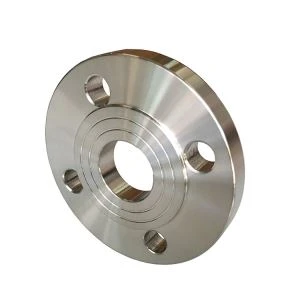
First off, let’s keep it simple: carbon steel flanges are basically round discs that connect pipes, valves, pumps, or other equipment, plus they make it easy to disassemble parts for maintenance. They’re made from carbon steel because it’s durable, cost-effective, and handles high pressure/temp way better than some cheaper materials. But not all carbon steel flanges are cut from the same cloth—their type depends on how they’re attached, their shape, and the load they need to handle.
Let’s start with the most common ones I sell every single week: Weld Neck Flanges (WN). These are the big boys for high-pressure, high-temp jobs—think refineries, power plants, long-distance pipelines. The key here is that they have a long, tapered “neck” that you butt-weld to the pipe, not just fillet weld like some other types. That taper distributes pressure evenly between the pipe and the flange, so way less stress on the weld joint. No leaks here, even if the system’s pushing steam at 500°F or holding 150 PSI. I usually recommend WNs for critical applications where downtime isn’t an option—like a client last month who needed them for a crude oil pipeline; they told me no other flange would stand up to the rough conditions.
Next up: Slip-On Flanges (SO). These are the budget-friendly workhorses for low to medium pressure jobs. They’re super easy to install—you just slide the flange over the end of the pipe, then weld it on both the inside and outside. Because they’re simpler, they’re cheaper than WNs, which is why I see them used a lot in water treatment plants, HVAC systems, or small commercial piping. That said, they’re not for heavy loads—if you stick a Slip-On on a high-pressure gas line, the weld could fail. A lot of first-time buyers mix up SO and WN, so I always make sure to explain the pressure ratings: SOs are usually Class 150 or 300, while WNs go up to Class 2500. Got a call last week from a guy who used SOs for a compressed air line and had a leak—he switched to WNs after I walked him through the specs, and he hasn’t had issues since.
Then there’s Threaded Flanges (TH). Threaded means the inside of the flange has threads that screw onto a threaded pipe end—no welding needed. That’s a huge plus for small jobs where hot work (welding) isn’t allowed, like in some food processing plants or residential plumbing (though I mostly do industrial, I still get these requests). But again, the catch here is pressure: Threaded flanges max out at Class 300, so you can’t use them for anything heavy. I always warn clients about thread corrosion too—if the steel threads get rusty, the seal breaks. I once had a client who tried to use THs for a steam line; the threads corroded in a week, and he had to replace them with Weld Necks. Lesson learned, right?
Now, the one that confused me when I first started in the flange game: Blind Flanges (BL). These aren’t for connecting pipes at all—they’re for capping off the end of a pipeline, or creating a removable seal to isolate a section of piping for maintenance. They’re solid discs, no hole in the middle, so they block flow. I sell a ton of these—when a plant needs to shut down a line to clean it or replace a part, they slap a Blind Flange on the end. Pro tip: Make sure the Blind Flange is the same pressure rating as the line it’s capping—don’t grab a Class 150 for a Class 600 line, that’s a disaster waiting to happen. Last quarter, a manufacturing client ordered 20 BLs for a pipe section they were overhauling, and they texted me later saying how easy it was to remove the cap when repairs were done.
Another type you’ll hear about: Lap Joint Flanges (LJ). These are weird because they don’t weld directly to the pipe—instead, you pair them with a “stub end” (a short pipe segment with a flared end) that spins inside the flange. That’s a game-changer for lines that need to be rotated, like in long pipelines where alignment is tricky. The stub end is tack-welded to the pipe, so the flange can swivel, making it way easier to bolt up even if the pipes are slightly off. Lap Joints are light too, which helps with handling—great for big, heavy piping jobs where workers are lifting flanges all day. But they’re not for super high pressure; I stick to them for Class 150 or 300, same as Slip-Ons. I had a client last year who needed LJs for a fertilizer plant’s piping, and he swore they saved him hours of installation time compared to Weld Necks.
Wait, there’s also Socket Weld Flanges (SW)—I almost forgot those. These look like Slip-Ons, but instead of sliding over the pipe, the pipe fits into a small socket cut into the flange. You weld the pipe inside the socket, so it’s super strong for small-diameter pipes (usually under 2 inches). That makes Socket Welds perfect for high-pressure, small-line jobs—like instrument lines, hydraulic systems, or small process piping. No way a Slip-On would hold up for a 1-inch high-pressure gas line, but a Socket Weld is solid. I usually match these with Class 150 or 300, but they can go up to Class 1500 if needed. A lot of people mix SW and Slip-On, but the socket design is key for pressure—always check the inside profile before buying.
Now, let’s talk about something that matters just as much as the type: pressure classes. I don’t want to get too techy, but this is the #1 mistake new buyers make. Pressure classes (like Class 150, 300, 600, 900, etc.) tell you how much pressure a flange can handle. A Class 150 carbon steel flange is for low pressure (up to ~285 PSI at room temp), while a Class 900 is for way heavier loads (~1500 PSI). If you pick a Class 150 for a Class 600 line, you’re gonna have leaks—trust me, I’ve seen it. That’s why I always ask clients for their line’s pressure and temp upfront; it’s way better to ask a few questions than replace a flange later.
Also, let’s not skip face types—wait, are face types the same as flange types? No, but they’re tied. The face is the surface that seals against the mating flange. Common faces: Raised Face (RF), Flat Face (FF), Ring Joint Groove (RTJ). RF is the most basic—you just put a gasket on the raised part, works for most low/medium pressure. FF is flat, used when you’re connecting two flanges where one’s thinner or has a flat surface. RTJ is for super high pressure/temp—like Class 900 and up—where a gasket alone won’t seal; you use a metal ring that fits into the groove. I usually pair Weld Neck and Blind Flanges with RTJ for heavy jobs, because that’s the only seal that works under extreme heat/pressure.
As a carbon steel flange supplier, my job isn’t just to sell flanges—it’s to make sure you get the right one for your job. I’ve had clients come to me thinking all flanges are the same, and I’ve steered them to the right type, saving them from costly mistakes. For example, a small bakery that needed flanges for their water line tried to order Weld Necks (overkill, way too expensive), and I talked them into Slip-Ons—they saved 30% on the project and had zero issues. That’s the stuff I live for, not just closing a sale but helping a client make the smart choice.
So, next time you’re scoping a piping project, don’t just grab any carbon steel flange. Think about pressure, temp, pipe size, and whether you need to weld, can’t weld, or need to disassemble often. If you’re still confused, hit me up—no jargon, no pressure, just straight talk about what works for your setup. I’m here to help you avoid leaks, downtime, and all the headaches that come with picking the wrong flange.
Got a project in mind? Reach out, and we can walk through exactly what you need—no weird hoops, just honest advice and quality carbon steel flanges that get the job done right.
Carbon Steel Flange References
- American National Standards Institute (ANSI) B16.5: Pipe Flanges and Flanged Fittings
- American Society of Mechanical Engineers (ASME) B16.47: Large Diameter Steel Flanges
- Carbon Steel Pipe Flanges: Selection, Installation, and Maintenance – Plant Engineering Magazine, 2022
- Welding Institute: Flange Joining Methods for Industrial Piping Systems, 2021
Cangzhou Hangxin Flange Co., Ltd.
As one of the most professional carbon steel flange manufacturers and suppliers in China, our products have good reputation in the market. Please feel free to buy high quality carbon steel flange at competitive price from our factory. Good service and punctual delivery are available.
Address: DingZhuangZi Industrial Zone, Mengcun County, Cangzhou City, Hebei Province, China
E-mail: admin@yongxingflange.com
WebSite: https://www.hx-flangefitting.com/
