When it comes to cable installation in explosive mining environments, there are numerous critical requirements that must be met to ensure safety, reliability, and compliance with industry standards. As a supplier of mining cables, I have witnessed firsthand the importance of adhering to these strict guidelines. In this blog, I will delve into the key requirements for cable installation in such hazardous settings. Mining Cables

Safety Standards and Regulations
The first and most crucial aspect of cable installation in explosive mining environments is compliance with safety standards and regulations. These standards are put in place to prevent explosions, fires, and other accidents that could endanger the lives of miners and cause significant damage to the mining operation.
One of the most widely recognized standards for cables in explosive atmospheres is the International Electrotechnical Commission (IEC) 60079 series. This series of standards provides guidelines for the design, construction, and testing of electrical equipment, including cables, for use in potentially explosive atmospheres. In addition to the IEC standards, many countries have their own national standards and regulations that must be followed.
For example, in the United States, the National Fire Protection Association (NFPA) 70, also known as the National Electrical Code (NEC), provides detailed requirements for electrical installations in hazardous locations, including mines. The NEC classifies hazardous locations into different zones based on the likelihood of the presence of explosive gases, vapors, or dusts, and specifies the types of cables and equipment that are permitted in each zone.
Cable Selection
The selection of the right cables is essential for safe and reliable operation in explosive mining environments. Cables must be designed and rated to withstand the harsh conditions of the mining environment, including high temperatures, moisture, mechanical stress, and exposure to chemicals and abrasion.
In addition to these general requirements, cables used in explosive atmospheres must also be specifically designed to prevent the ignition of explosive gases or dusts. This typically involves the use of special insulation materials and construction techniques to minimize the risk of electrical sparks or arcs.
One common type of cable used in explosive mining environments is the flame-retardant cable. These cables are designed to self-extinguish in the event of a fire, preventing the spread of flames and reducing the risk of explosions. Another important consideration is the use of cables with low smoke and halogen-free insulation, which can help to reduce the release of toxic gases in the event of a fire.
Cable Installation
Proper cable installation is just as important as cable selection in ensuring the safety and reliability of electrical systems in explosive mining environments. Cables must be installed in a way that minimizes the risk of damage, abrasion, and electrical interference, and that complies with all relevant safety standards and regulations.
One of the key requirements for cable installation in explosive atmospheres is the use of proper cable routing and support. Cables should be routed away from sources of heat, moisture, and mechanical stress, and should be supported at regular intervals to prevent sagging or excessive movement. In addition, cables should be installed in conduit or cable trays to protect them from damage and to prevent the spread of flames and gases in the event of a fire.
Another important consideration is the use of proper cable terminations and connections. Cables must be terminated and connected in a way that ensures a secure and reliable electrical connection, and that minimizes the risk of electrical sparks or arcs. This typically involves the use of special connectors and termination techniques that are designed for use in explosive atmospheres.
Cable Maintenance and Testing
Once cables are installed in an explosive mining environment, it is important to perform regular maintenance and testing to ensure their continued safety and reliability. This includes visual inspections, electrical testing, and monitoring of cable performance.
Visual inspections should be performed on a regular basis to check for signs of damage, wear, or corrosion. Any damaged or worn cables should be replaced immediately to prevent the risk of electrical failure or fire. Electrical testing should also be performed on a regular basis to check for proper insulation resistance, continuity, and other electrical parameters.
In addition to regular maintenance and testing, it is also important to have a comprehensive cable management system in place. This includes keeping accurate records of cable installations, maintenance, and testing, and having a plan in place for dealing with cable failures or emergencies.
Training and Education
Finally, it is important to provide training and education to all personnel involved in cable installation, maintenance, and operation in explosive mining environments. This includes miners, electricians, and other maintenance personnel.
Training should cover all aspects of cable safety, including the selection, installation, maintenance, and testing of cables in explosive atmospheres. It should also include information on the relevant safety standards and regulations, and on the proper use of personal protective equipment (PPE).
By providing comprehensive training and education, we can help to ensure that all personnel are aware of the risks associated with cable installation and operation in explosive mining environments, and that they have the knowledge and skills necessary to perform their jobs safely and effectively.
Conclusion
In conclusion, cable installation in explosive mining environments is a complex and challenging task that requires careful attention to detail and strict adherence to safety standards and regulations. As a supplier of mining cables, I understand the importance of providing high-quality cables that are designed and rated for use in these hazardous settings.
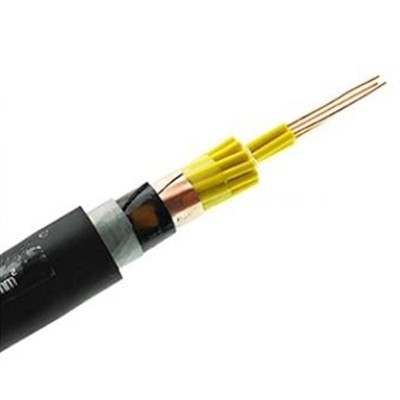
By following the key requirements outlined in this blog, including cable selection, installation, maintenance, and testing, and by providing comprehensive training and education to all personnel involved, we can help to ensure the safety and reliability of electrical systems in explosive mining environments.
High Temperature Flame Retardant Power Cable If you are in the market for mining cables for use in explosive environments, I encourage you to contact us to discuss your specific requirements. Our team of experts can help you select the right cables for your application, and can provide you with the support and guidance you need to ensure a safe and successful installation.
References
- International Electrotechnical Commission (IEC). (2014). IEC 60079 series: Electrical apparatus for explosive atmospheres.
- National Fire Protection Association (NFPA). (2020). NFPA 70: National Electrical Code.
Shenhua Electric Group (Anhui) Co., Ltd.
As one of the most experienced mining cables manufacturers in China, featured by quality products and low price. Please rest assured to wholesale customized mining cables made in China here from our factory. For quotation, contact us now.
Address: No. 10, Jingjiu Road, Economic Development Zone, Tianchang City, Anhui Province
E-mail: 421300254@qq.com
WebSite: https://www.cnshcable.com/
