Hey there! I’m a supplier of QY Oil-Immersed Cast Iron Submersible Pumps. You know, cavitation is a big headache for pump users. It can mess up the pump’s performance and even cut its lifespan short. So, in this blog, I’m gonna share some tips on how to prevent cavitation in the QY Oil-Immersed Cast Iron Submersible Pump. QY Oil-Immersed Cast Iron Submersible Pump

First off, let’s understand what cavitation is. Cavitation happens when the pressure in the pump drops below the vapor pressure of the liquid. This causes vapor bubbles to form in the liquid. When these bubbles move to areas of higher pressure, they collapse. The collapse is super violent and can create shockwaves that damage the pump’s components, like the impeller and the casing.
Now, onto the prevention methods.
1. Keep the right suction conditions
One of the main reasons for cavitation is improper suction. Make sure the pump is installed at the right depth. If it’s too close to the water surface, it might suck in air along with the liquid. This can lead to a sudden drop in pressure and cause cavitation.
The QY submersible pump works best when it’s submerged deep enough. We usually recommend a minimum submergence of about [X] inches. That way, it can draw in a steady flow of liquid without getting any air in.
Also, check the inlet pipe. It should be clear of any blockages. Debris, dirt, or other things can restrict the flow of liquid into the pump. This creates a pressure drop at the inlet, increasing the risk of cavitation. So, regularly clean the inlet and make sure the pipe diameter is appropriate for the pump’s flow rate. A pipe that’s too small can cause high – velocity flow and low pressure.
2. Control the pump speed
The speed of the pump has a big impact on cavitation. If the pump is running too fast, the liquid might not have enough time to fill the impeller passages properly. This creates low – pressure areas where cavitation can occur.
The QY Oil – Immersed Cast Iron Submersible Pump is designed to operate within a certain speed range. Always follow the manufacturer’s recommendations for the maximum and minimum speed. If you need to adjust the flow rate, it’s better to use a throttling valve instead of changing the pump speed too much. But be careful with throttling because if you throttle too much, it can also cause problems and increase the risk of cavitation.
3. Check the liquid properties
The properties of the liquid being pumped are also important. For example, the temperature of the liquid can affect its vapor pressure. If the liquid is too hot, its vapor pressure is higher, and it’s more likely to form vapor bubbles.
So, if you’re pumping a hot liquid, try to cool it down a bit before it enters the pump. Also, the viscosity of the liquid matters. A very viscous liquid can be harder for the pump to handle. It might require more power and can create more pressure drops within the pump. Make sure the pump is rated for the viscosity of the liquid you’re using.
4. Monitor the pressure
Regularly monitoring the pressure at the inlet and outlet of the pump is a great way to prevent cavitation. You can use pressure gauges to keep an eye on these values. If you notice a sudden drop in the inlet pressure or an abnormal increase in the outlet pressure, it could be a sign of cavitation starting.
When you see these pressure changes, take action right away. It could be as simple as adjusting the flow rate or checking for blockages in the system.
5. Maintain the pump properly
Proper maintenance is crucial for preventing cavitation. Over time, the impeller and other parts of the pump can wear out. Worn – out parts can disrupt the flow of liquid and create low – pressure areas, leading to cavitation.
Regularly inspect the pump for signs of wear. Replace any damaged or worn parts as soon as possible. Also, lubricate the moving parts according to the manufacturer’s instructions. This helps the pump run smoothly and reduces the chances of pressure fluctuations.
6. Consider the system design
The overall system design can also play a role in preventing cavitation. For example, the layout of the pipes can affect the pressure and flow of the liquid. Try to keep the pipes as straight as possible and minimize the number of bends and elbows. Bends and elbows can cause turbulence and pressure drops.
Also, make sure there’s enough space around the pump for proper ventilation. The QY Oil – Immersed Cast Iron Submersible Pump generates heat during operation, and good ventilation helps keep the pump cool. Overheating can increase the risk of cavitation, so it’s important to have a well – designed system.
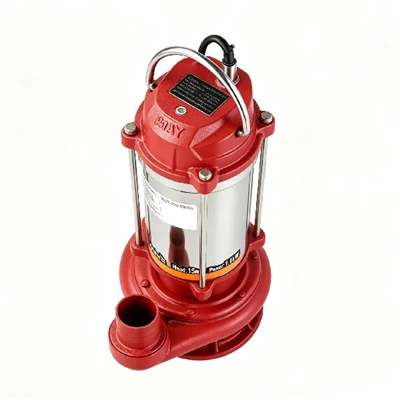
In conclusion, cavitation is a problem that can be avoided with the right measures. By keeping the right suction conditions, controlling the pump speed, checking the liquid properties, monitoring the pressure, maintaining the pump properly, and considering the system design, you can ensure that your QY Oil – Immersed Cast Iron Submersible Pump runs smoothly and efficiently for a long time.
Stainless Steel Deep Well Electric Pump If you’re in the market for a reliable QY Oil – Immersed Cast Iron Submersible Pump or need more advice on preventing cavitation, feel free to reach out to me. We can have a chat about your specific needs and see how we can help. Looking forward to hearing from you!
References
- Pump Handbook, McGraw – Hill
- ASME Standards for Pump Design and Operation
- Technical Manuals for QY Oil – Immersed Cast Iron Submersible Pumps
Longbiao Pump Industry Co., Ltd.
We are one of the most professional qy oil-immersed cast iron submersible pump manufacturers and suppliers in China, featured by quality products and low price. Please rest assured to buy discount qy oil-immersed cast iron submersible pump for sale here from our factory. We also accept customized orders.
Address: Unit 101, Building 11, Pan’ao Entrepreneurship Park, Daxi Town, Wenling City, Taizhou City, Zhejiang Province, P.R. China
E-mail: 1653746797@qq.com
WebSite: https://www.cnlongbiao.com/
